
Printable Pain Scale Faces
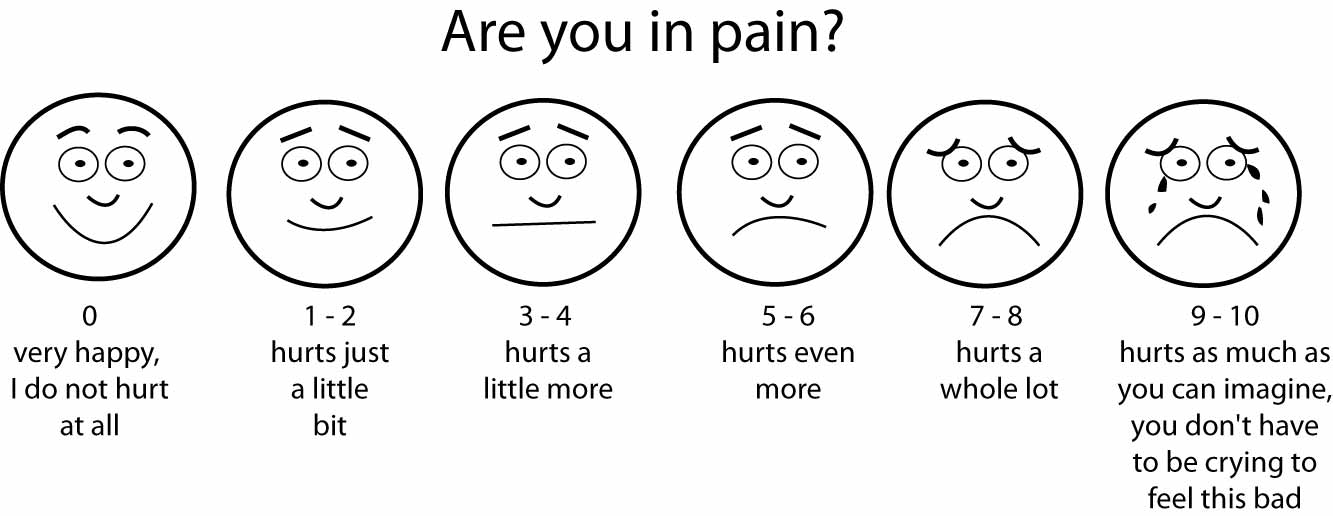
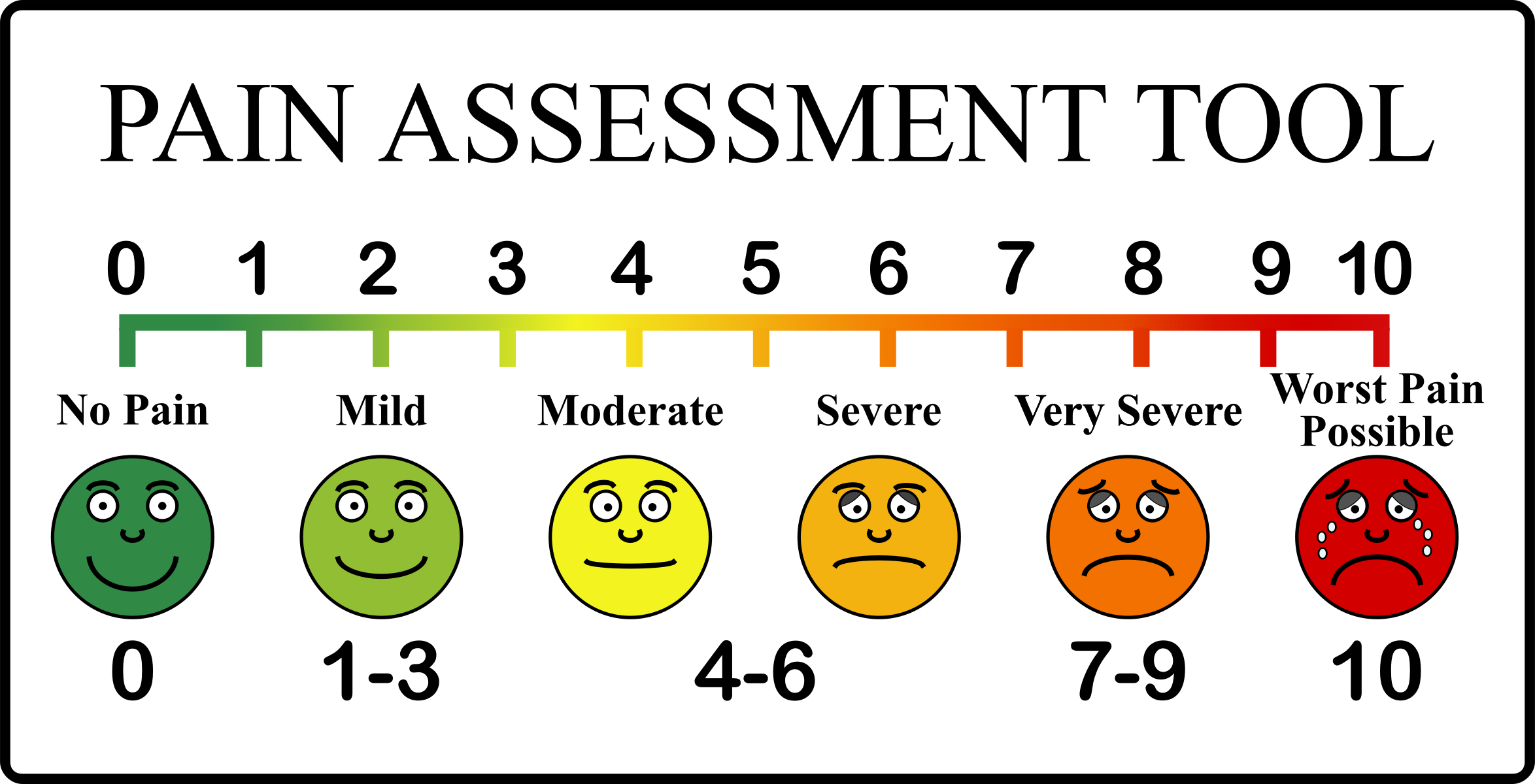
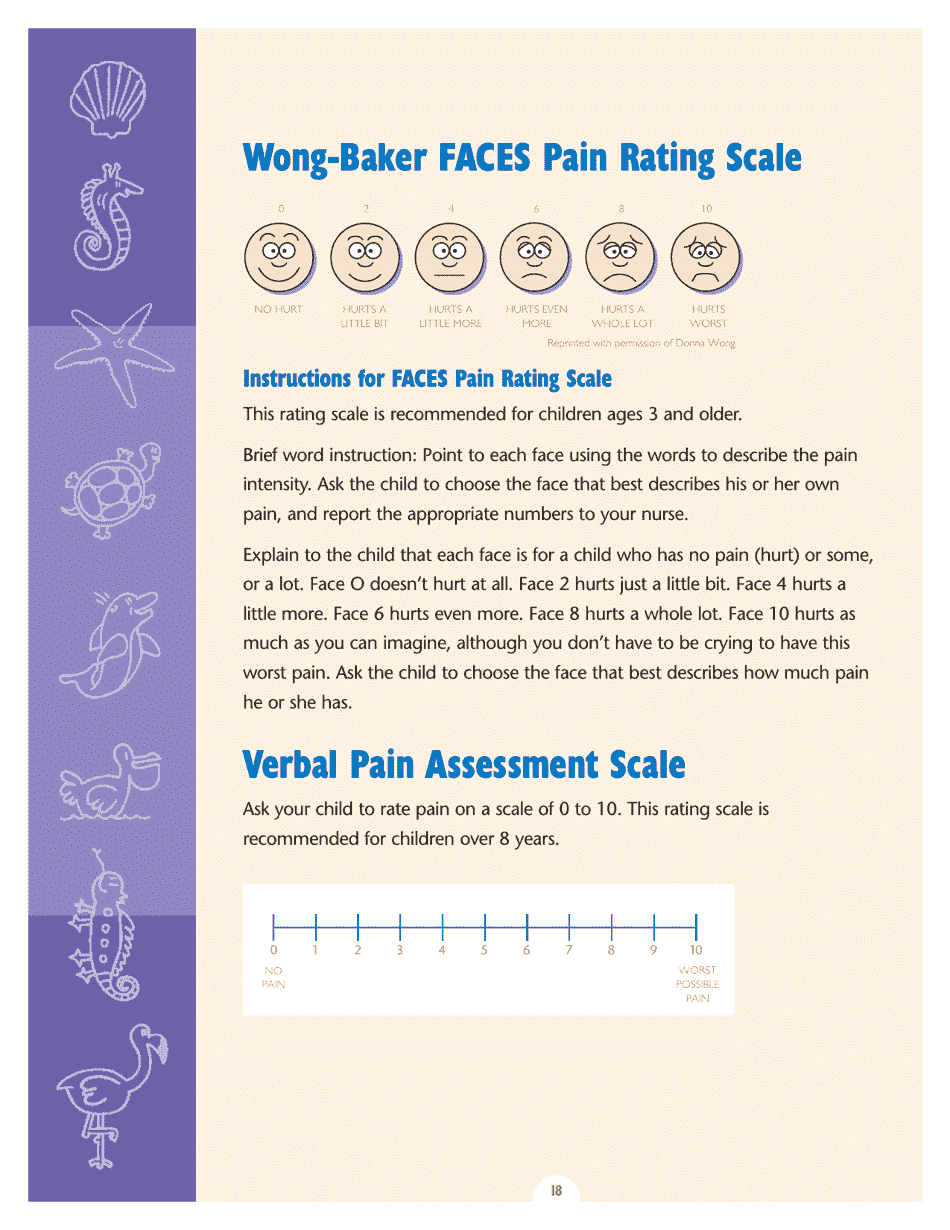
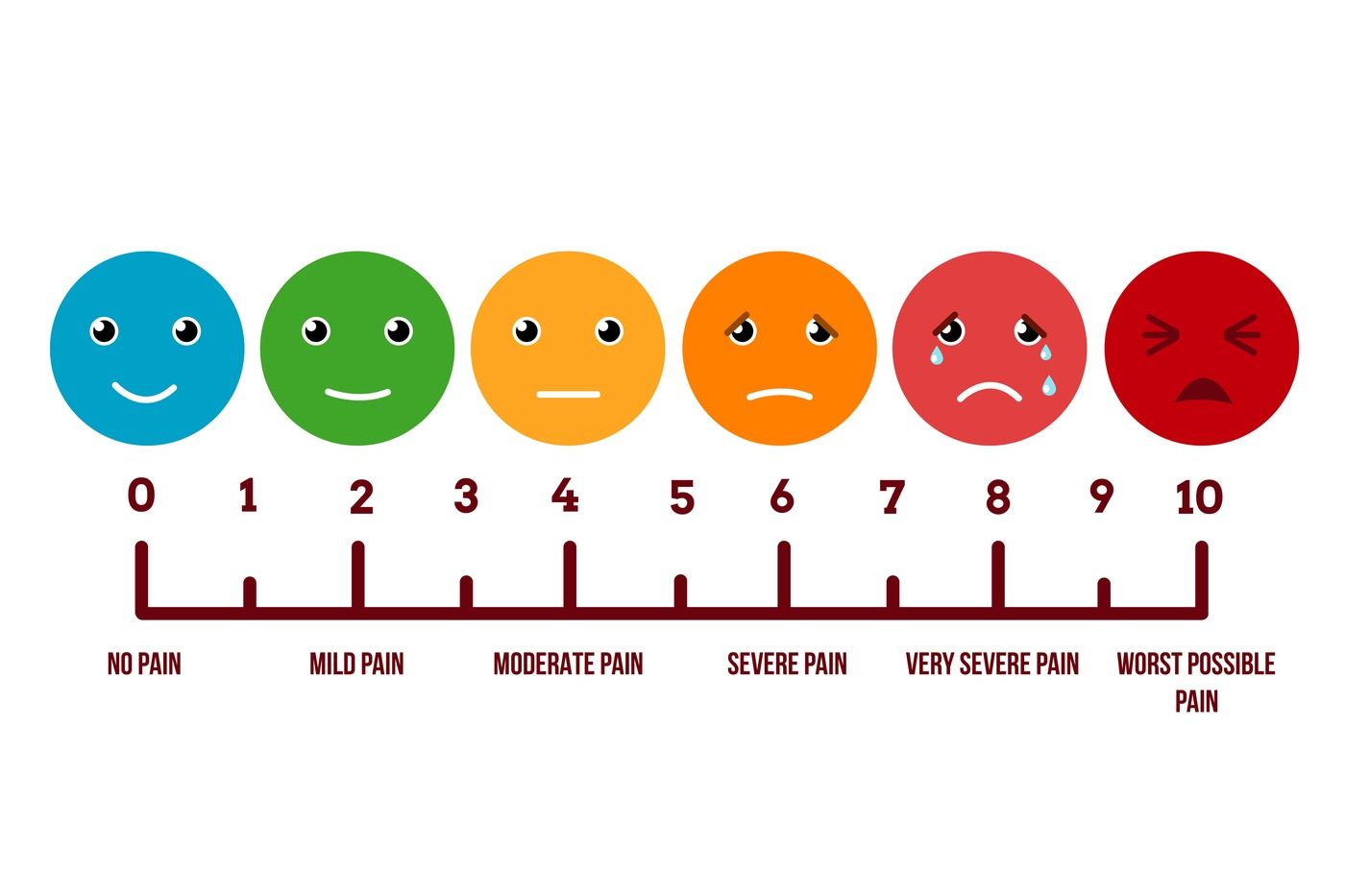
Printable Pain Scale Faces - The pain level chart template with faces is a tool used to assess and communicate pain levels. Point to each face using the words to describe. The faces are numbered from. Point to each face using the words to describe the pain intensity. International association for the study of pain keywords: The face on the left shows no pain. Ask the child to choose face that best describes own pain and record the appropriate number. Adults and children (> 3 years old) in all patient care settings. The face on the left shows no pain. Choose the face that best describes how he is feeling. Choose the face that best describes how he is feeling. It uses facial expressions to represent different levels of pain, allowing individuals to easily. “the faces show how much pain or discomfort someone is feeling. Each face shows more and more pain. The faces are numbered from. Point to each face using the words to describe the pain intensity. Adults and children (> 3 years old) in all patient care settings. The pain level chart template with faces is a tool used to assess and communicate pain levels. Each face shows more and more pain. Point to each face using the words to describe the pain intensity. “the faces show how much pain or discomfort someone is feeling. “the faces show how much pain or discomfort someone is feeling. The faces are numbered from. The faces pain scale consists of a series of six faces, each with a different expression, ranging from a happy face to a very unhappy face. Point to the face that shows how. It uses facial expressions to represent different levels of pain, allowing individuals to easily. Explain to the person that each face is for a person who feels happy because he has no pain (no hurt) or sad because he has some or a lot of pain. Choose the face that best describes how he is feeling. Ask the child to. The pain level chart template with faces is a tool used to assess and communicate pain levels. It uses facial expressions to represent different levels of pain, allowing individuals to easily. The face on the left shows no pain. Face 0 is very happy because he doesn’t. Rating scale is recommended for persons age 3 years and older. Point to each face using the words to describe the pain intensity. Point to each face using the words to describe. Explain to the person that each face is for a person who feels happy because he has no pain (no hurt) or sad because he has some or a lot of pain. International association for the study of pain. The faces pain scale consists of a series of six faces, each with a different expression, ranging from a happy face to a very unhappy face. Rating scale is recommended for persons age 3 years and older. Point to each face using the words to describe the pain intensity. It uses a series of facial expressions to represent different levels.. “the faces show how much pain or discomfort someone is feeling. Adults and children (> 3 years old) in all patient care settings. It uses a series of facial expressions to represent different levels. The face on the left shows no pain. Each face shows more and more pain. Ask the child to choose face that best describes own pain and record the appropriate number. Adults and children (> 3 years old) in all patient care settings. See our printable pain scale faces chart you can print for your own use. The face on the left shows no pain. The faces pain scale consists of a series of six. The face on the left shows no pain. The face on the left shows no pain. The faces pain scale consists of a series of six faces, each with a different expression, ranging from a happy face to a very unhappy face. Point to each face using the words to describe. Ask the child to choose face that best describes. Face 0 is very happy because he doesn’t. Rating scale is recommended for persons age 3 years and older. Ask the child to choose face that best describes own pain and record the appropriate number. International association for the study of pain keywords: It uses a series of facial expressions to represent different levels. The face on the left shows no pain. The faces pain scale consists of a series of six faces, each with a different expression, ranging from a happy face to a very unhappy face. Choose the face that best describes how he is feeling. Point to each face using the words to describe the pain intensity. The faces are numbered. Point to the face that shows how much you hurt right now. Point to each face using the words to describe the pain intensity. Explain to the person that each face is for a person who feels happy because he has no pain (no hurt) or sad because he has some or a lot of pain. The face on the left shows no pain. Point to each face using the words to describe the pain intensity. The faces are numbered from. Rating scale is recommended for persons age 3 years and older. It uses a series of facial expressions to represent different levels. The pain level chart template with faces is a tool used to assess and communicate pain levels. International association for the study of pain keywords: It uses facial expressions to represent different levels of pain, allowing individuals to easily. The face on the left shows no pain. Face o doesn't hurt at all. See our printable pain scale faces chart you can print for your own use. Adults and children (> 3 years old) in all patient care settings. Each face shows more and more pain.
Printable Wong Baker Pain Scale Face 8 Hurt A Whole Lot.
Pain Faces Scale Printable

Healthcare Student Download WongBaker FACES Foundation

Printable Faces Pain Scale Chart
Printable Faces Pain Scale
WongBaker Faces Pain Rating Scale Chart Download Printable PDF
Printable Faces Pain Scale Chart

Printable pain scale faces 1 10 delightvsa

Printable Pain Scale Faces
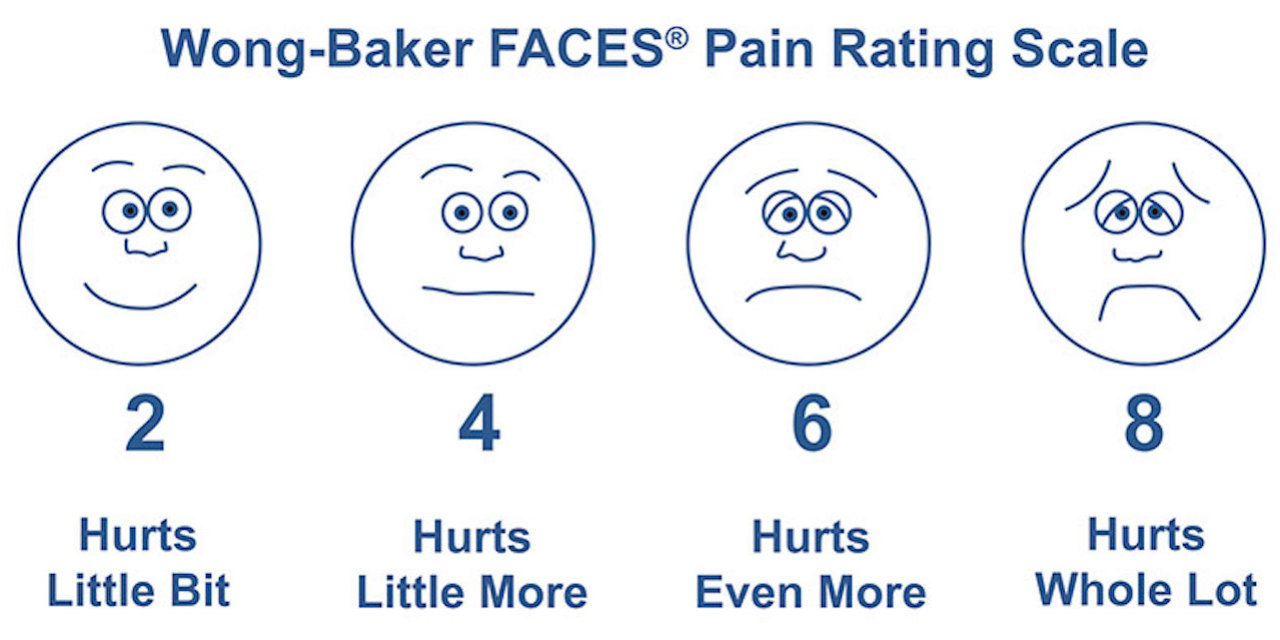
Printable Wong Baker Pain Scale
Choose The Face That Best Describes How He Is Feeling.
The Faces Pain Scale Consists Of A Series Of Six Faces, Each With A Different Expression, Ranging From A Happy Face To A Very Unhappy Face.
Our Printable Faces Pain Scale Chart Is A Handy Reference For People In Pain To Be Able To Point To The Face Of The Pain Level They Are Experiencing.
Ask The Child To Choose Face That Best Describes Own Pain And Record The Appropriate Number.
Related Post: